
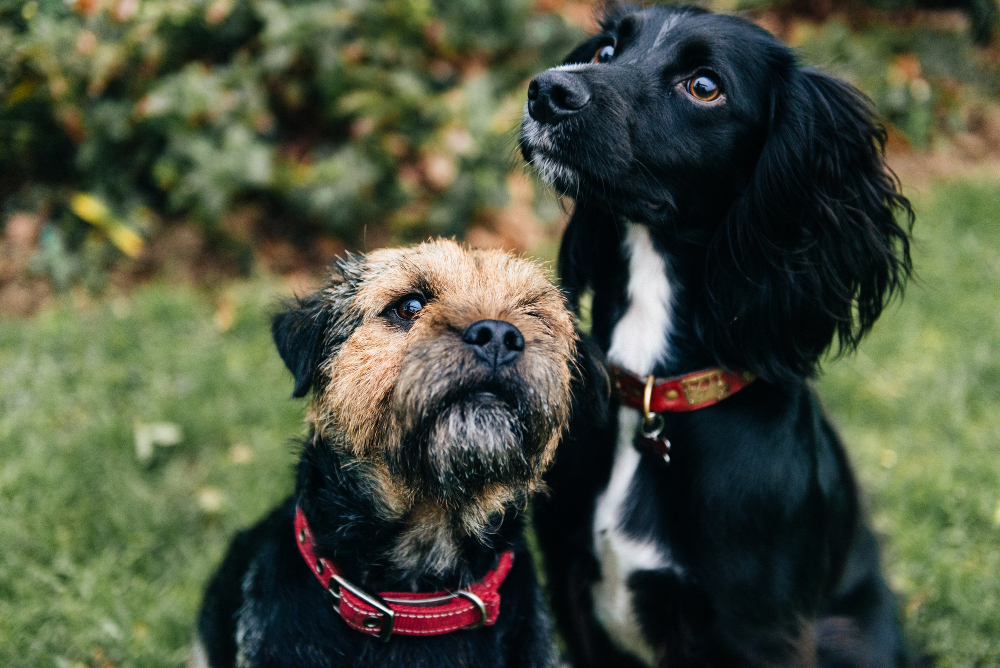
 Gastrointestinal Upset in Pets
Vomiting, diarrhea, and other digestive symptoms are among the most common reasons pet owners seek veterinary care. At Central Animal Hospital, we get to the root of your pet’s gastrointestinal upset and help them feel better fast.
Common Causes of GI Upset
Gastrointestinal upset can be triggered by dietary indiscretion, food allergies or sensitivities, parasites, infections, stress, or more serious underlying conditions. Occasional mild symptoms may resolve on their own, but persistent or severe vomiting, diarrhea, or loss of appetite should always be evaluated.
When to Seek Care
Contact us right away if your pet shows any of the following: vomiting or diarrhea lasting more than 24 hours, blood in the vomit or stool, lethargy, refusal to eat or drink, or signs of abdominal pain. Severe symptoms may require urgent care or emergency veterinary services.
Diagnosis and Treatment
Our veterinarians will start with a thorough history and physical exam, often supported by bloodwork, fecal testing to rule out parasites, or imaging if a more serious cause is suspected. Treatment depends on the underlying cause and may include medication, a bland or prescription diet guided by nutritional counseling, and fluid support to prevent dehydration.
If your pet is experiencing vomiting, diarrhea, or other digestive symptoms, please contact us today at (561) 391-8787.
Frequently Asked Questions About Gastrointestinal Upset
What causes vomiting and diarrhea in pets?
Common causes include dietary indiscretion, food sensitivities, parasites, infections, stress, and underlying illness.
When should I bring my pet in for GI symptoms?
Seek care if symptoms last more than 24 hours, if there’s blood in the vomit or stool, or if your pet is lethargic, refusing food, or showing signs of pain.
Can diet cause gastrointestinal upset?
Yes. Sudden diet changes, table scraps, or eating something inappropriate can all trigger GI symptoms.
How is the cause of GI upset diagnosed?
Diagnosis may involve a physical exam, bloodwork, fecal testing, and imaging depending on the suspected cause.
Is dehydration a concern with vomiting or diarrhea?
Yes. Prolonged vomiting or diarrhea can quickly lead to dehydration, especially in small pets, puppies, and kittens.
Should I withhold food if my pet is vomiting?
Follow your veterinarian’s guidance, as recommendations vary by case. Contact our office before making changes to your pet’s food or water intake.
Get Fast Relief for Your Pet’s Upset Stomach
Contact Central Animal Hospital in Boca Raton, FL for GI care.